
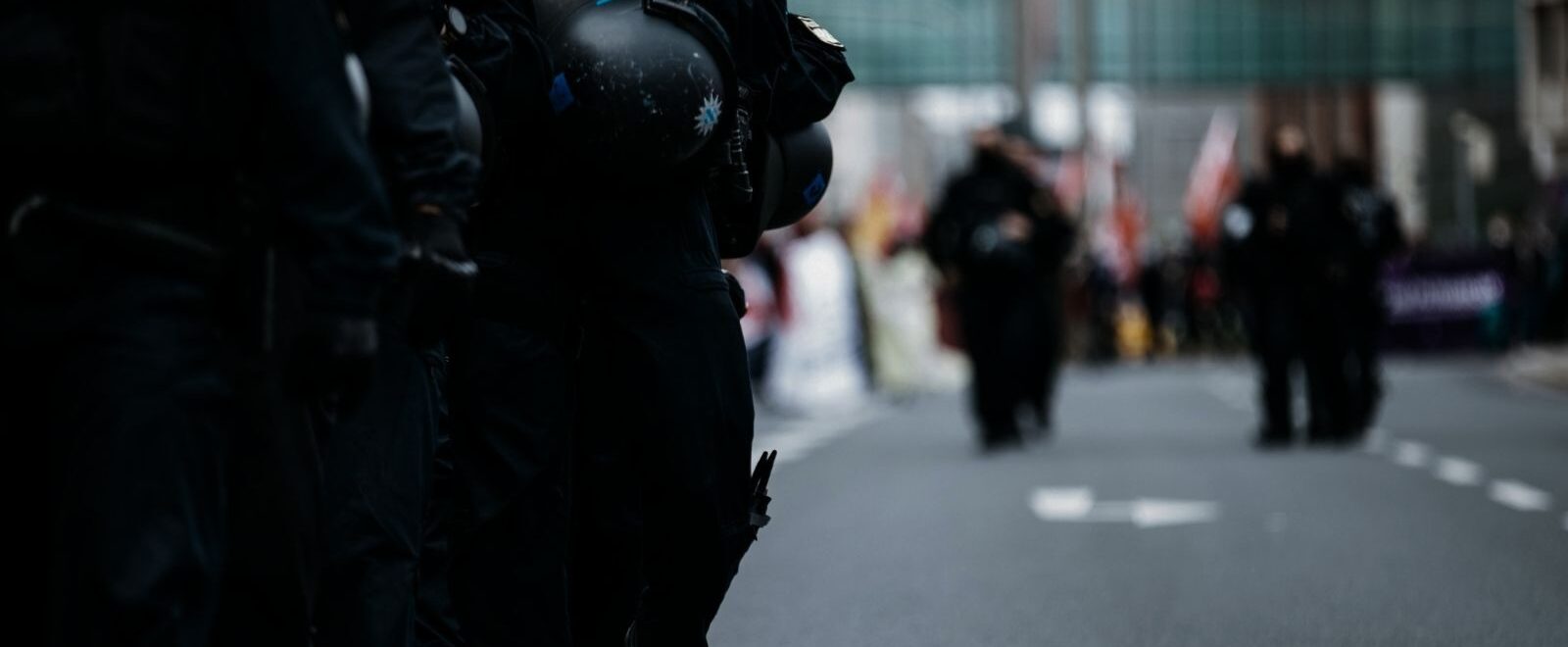
High-pressure encounters. Unpredictable situations. And yet: zero use-of-force for six straight months. The Spokane Police case study rewrites what’s possible when de-escalation is built on fidelity, not just awareness.
Spokane Police Department & Frontier Behavioral Health
- Zero use-of-force incidents among trained officers for six months
- Approximately 40% reduction in department-wide use-of-force incidents
- Shift from more complaints than commendations to more commendations than complaints
Most communication training produces awareness. This case study shows what happens when it produces measurable outcomes from motivational interviewing in one of the highest-stakes environments where it has ever been applied.
Challenge
Officers completing Crisis Intervention Training (CIT) reported that increased awareness of mental health issues wasn’t translating into more effective communication when it mattered most — during live, high-pressure encounters.
In the field, officers were navigating:
- Acute behavioral health crises with no clear resolution path
- Individuals who were agitated, unpredictable, or unresponsive to standard protocols
- A wide gap between what CIT taught and what actually worked in the moment
Awareness alone wasn’t enough. What was missing was a structured, practiced communication approach that officers could apply consistently under pressure — and a way to measure whether it was actually working.
Approach
IFIOC partnered with Frontier Behavioral Health and the Spokane Police Department to design an MI-based training program built specifically for law enforcement crisis encounters — not adapted from a clinical model, but grounded in the real conditions officers face.
The approach included:
- Training officers in Motivational Interviewing communication skills for crisis engagement
- Scenario-based practice aligned with real-world encounters
- Optional submission and coding of body camera footage for structured feedback and coaching
This model emphasized practical application—supporting officers in using Motivational Interviewing techniques during live interactions, not just in training environments.
If you’re considering motivational interviewing as part of an RHTP grant or as part of your ongoing quality improvement, this model shows how fidelity-informed implementation works even outside traditional healthcare settings. See how we build this kind of infrastructure in our Training to Fidelity approach.
Measurable Outcomes
The measurable outcomes from motivational interviewing in this program were among the most striking we have documented:
- Officers who completed the program had zero use-of-force incidents for six months following training
- Department-wide use-of-force incidents decreased by approximately 40%
- The department received more commendations from the public than complaints for the first time in its history
These weren’t self-reported improvements. They tracked behavioral changes with direct consequences for community safety and institutional trust. Compare these results with outcomes from our statewide DSHS implementation and Washington State DVR rollout to see how MI delivers across very different system contexts.
System-Level Change
The initial results created momentum for deeper organizational integration. Rather than stopping at frontline officers, the program expanded:
- Training extended to command staff and patrol officers across the department
- MI communication skills were embedded into the ongoing professional development
- Crisis response protocols were reshaped around the communication principles officers had learned
What began as a targeted intervention became part of how the department operated. Officers weren’t applying MI as a technique they’d been trained on — they were using it as a natural part of how they engaged with people in crisis. That shift, from skill to practice, is what produces durable results. Learn more about how we support this kind of behavioral health workforce development.
Relevance for State and Grant-Funded Initiatives
For state and regional partners, this case study makes a specific argument: measurable outcomes from motivational interviewing are not limited to clinical or healthcare settings. They are achievable wherever communication drives outcomes — including first responder systems, community programs, and crisis services.
This implementation model supports state transformation goals by:
- Supporting new access points for behavioral health intervention, including first responders
- Improving engagement and de-escalation in high-risk situations
- Reducing negative outcomes while increasing public trust
- Demonstrating workforce training impact through measurable changes in behavior and outcomes
Whether under RHTP or broader system improvement goals, this approach shows that evidence-based behavioral health intervention can extend into parts of the system where it has historically been absent.