
State Systems, human services, Rural Healthcare and more
Turning Funding into Results
Motivational Interviewing Program Implementation
A Practical Path to System-Wide Impact
The Missing Link in System-Wide Grant Implementation
Across the United States, state and federal programs are investing heavily in healthcare improvement through grant-funded initiatives—supporting work in chronic disease management, behavioral health, prevention, workforce development, and more. Rural-focused programs like the Rural Health Transformation Program (RHTP) are an important part of that landscape, but they’re only one piece of a much broader effort.
The opportunity is real. The harder problem is execution.
Turning funding into measurable, system-wide improvement—across multiple providers, locations, and reporting requirements—requires more than strong program design. In practice, one factor consistently determines whether these initiatives succeed or stall:
The quality of the conversation between provider and patient.
At IFIOC, we focus on that variable directly. Motivational interviewing program implementation is not treated as a one-time training, but as a structured, fidelity-based process that changes how providers engage and how systems perform over time.
Whether you’re working within an RHTP framework or any grant-funded quality initiative, this is where the work becomes durable—and where outcomes begin to move.
Areas of Specialty
Our motivational interviewing program implementation work spans the settings where state systems carry the most responsibility for outcomes:





The Implementation Gap in Evidence-Based Practices
Motivational Interviewing is one of the most established evidence-based practices for improving patient engagement and behavior change. Yet the pattern across systems is consistent: organizations believe they are already using MI. Objective fidelity measurement shows otherwise. Only a small percentage of practitioners demonstrate consistent competency when assessed — and without structure and reinforcement, the impact on outcomes is limited.
This creates a common implementation gap:
Evidence-based
practices are selected
Training is
delivered
Outcomes remain
inconsistent
For organizations investing in large-scale transformation, this gap is a direct constraint on results. What closes the gap is not more awareness, it is structured motivational interviewing program implementation that ensures MI is applied consistently across the workforce.
Evidence-Based Communication at Scale
At IFIOC, we support healthcare and behavioral health systems in moving from training to implementation. Our work focuses on training and technical assistance that helps organizations operationalize Motivational Interviewing across teams, programs, and regions. Rather than delivering stand-alone training, we partner with systems to embed Motivational Interviewing into everyday practice, supporting:
Patient engagement across care settings
Adherence to treatment and service plans
System performance tied to grant outcomes
For organizations working within RHTP and similar initiatives, this approach strengthens workforce development by improving how care is delivered, not just expanding access to services. Learn more about our approach →
Case Studies
What motivational interviewing program implementation produces in practice:

Motivational Interviewing Used Across State Systems
Full fidelity vs. status quo. Two DSHS sites proved the gap is real, and so are the results. Higher incomes, shorter programs, lower stress. The numbers tell the story. Washington…

Motivational Interviewing Implementation at Scale
14,000 people. Five years of waiting. Gone. See how Washington State DVR turned a workforce training investment into 120% federal performance—and staff who finally had the tools to work at…
Successful Motivational Interviewing in Crisis Response
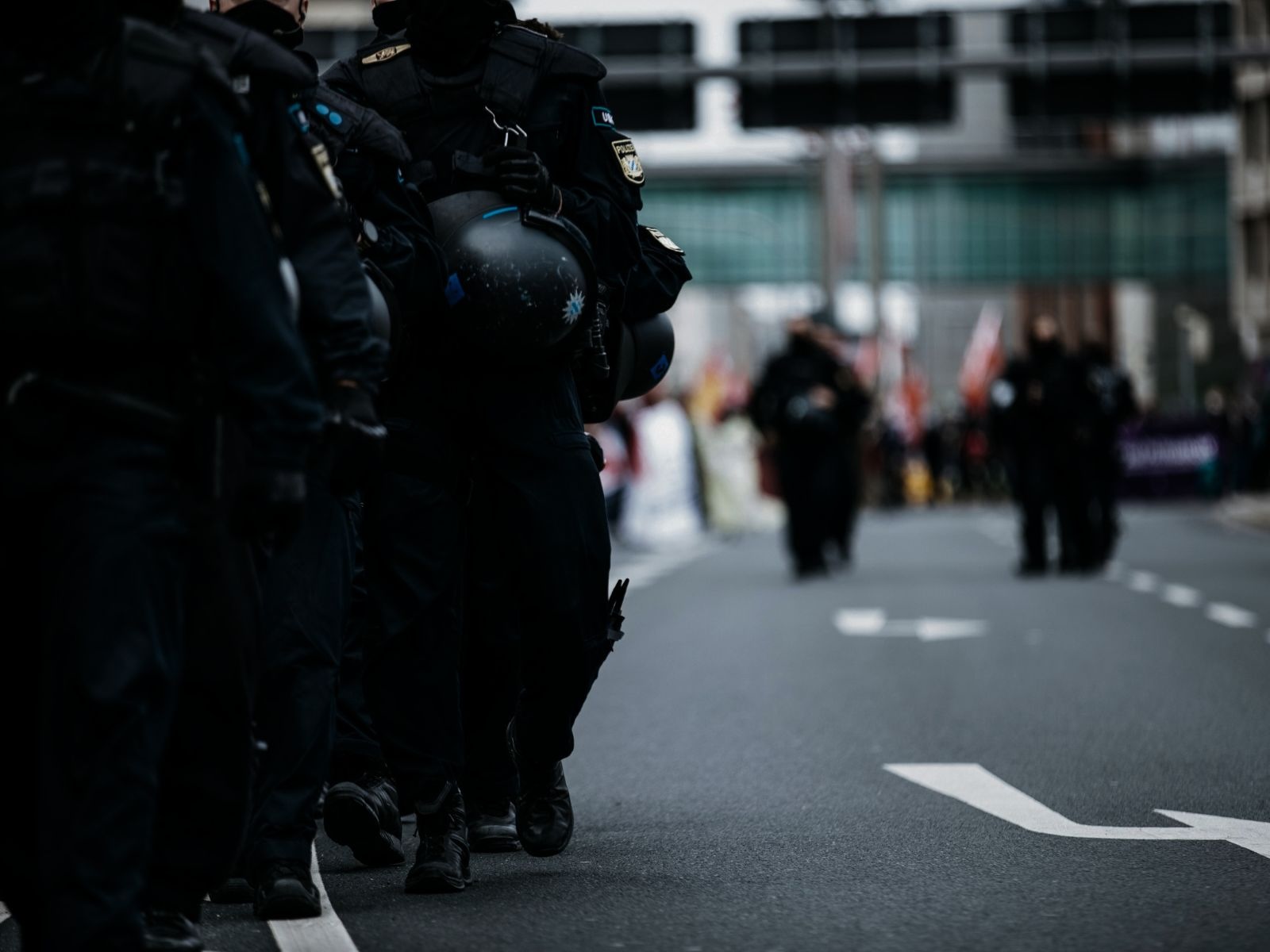
High-pressure encounters. Unpredictable situations. And yet: zero use-of-force for six straight months. The Spokane Police case study rewrites what’s possible when de-escalation is built on fidelity, not just awareness. Spokane…
A Scalable Approach
IFIOC has supported state agencies, healthcare systems, and community organizations in implementing Motivational Interviewing at scale. Across these engagements, outcomes have included:
- Increased participation in health and human service programs
- Improved employment and independence outcomes
- Reduced barriers to care and service engagement
- Higher levels of satisfaction with services
- Improved workforce confidence and reduced burnout
In Washington State’s Division of Vocational Rehabilitation, motivational interviewing program implementation across the organization contributed to eliminating a waitlist of more than 14,000 individuals while improving federally reported performance indicators from 57% to 120%. These outcomes reflect what becomes possible when evidence-based practices are implemented with structure and consistency — not just introduced through training.
Let’s Turn Strategy Into Results
Partner With Us for Measurable Outcomes
Measuring What Matters — Fidelity and MICA



A defining feature of effective motivational interviewing program implementation is measurement. To support this, IFIOC developed the Motivational Interviewing Competency Assessment (MICA) — a validated tool that evaluates observable communication behaviors tied to effective MI practice.
Through structured coding of recorded interactions, organizations gain the ability to:
Assess how MI is used
in real-world settings
Identify variation across
providers and sites
Deliver targeted
coaching and feedback
This creates a practical feedback loop: as providers receive coaching grounded in fidelity data, skill becomes more consistent. As consistency improves, patient engagement and program performance follow. Over time, organizations can link changes in communication directly to changes in outcomes — making MI a driver of quality improvement, not just a training topic.